
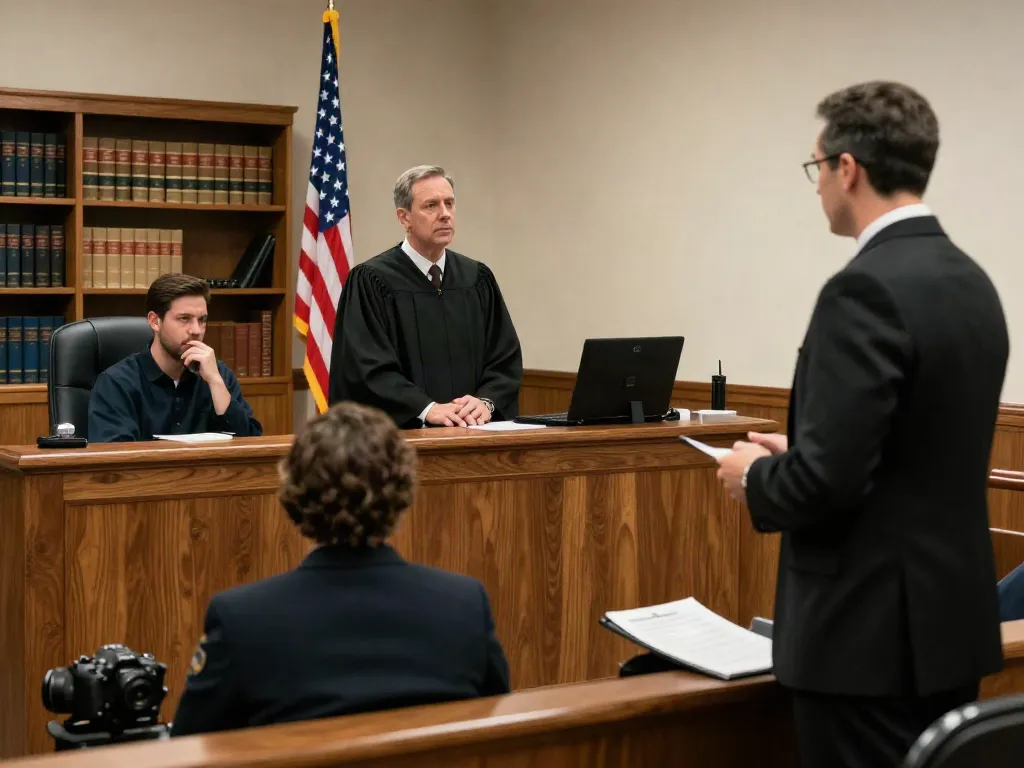
Understanding Judge Homier's Approach to DUI Cases
Navigating the complexities of DUI cases in Cherokee County requires a keen understanding of local legislation and judicial attitudes. When exploring options, judge homier Cherokee County 2nd DUI punishment is pivotal as the outcomes from such cases can significantly impact the lives of those involved. This article delves into the specifics of DUI legislation, the judicial philosophy of Judge Homier, and how these elements shape sentencing outcomes.
Background on Cherokee County DUI Legislation
Cherokee County’s DUI laws align closely with Georgia state regulations, which classify DUI offenses as serious misdemeanors. Under Georgia law, the penalties for a second DUI offense can be notably harsh, reflecting the state's commitment to road safety and public health. This emphasis is particularly evident in the repercussions that repeat offenders face, including increased fines, mandatory community service, and the potential for significant jail time.
Judge Homier's Judicial Philosophy
Judge Michelle Homier's approach to DUI cases is noted for its balance of strict adherence to the law combined with a deep understanding of individual circumstances. Her history shows a tendency to evaluate each case on its merits, considering factors such as the defendant's background, prior offenses, and the context surrounding the arrest. This nuanced perspective allows for tailored sentences that aim to promote rehabilitation while maintaining the integrity of the legal system.
Key Factors Influencing Sentencing Decisions
A variety of factors can influence Judge Homier's sentencing decisions in DUI cases. These include:
- Severity of the offense: Repeat offenders, particularly those with a second DUI within a ten-year window, face stricter sentences.
- Criminal history: A defendant's previous interactions with the law can significantly affect their outcome, with patterns of behavior being scrutinized closely.
- Individual circumstances: Factors such as employment status, family responsibilities, and efforts toward rehabilitation can be considered.
The Legal Process for a 2nd DUI Offense
Initial Court Appearance and Charges
After a second DUI charge, defendants typically face an initial court appearance where they are formally informed of the charges. During this appearance, the judge will outline the legal process, establish bail conditions, and set a schedule for subsequent hearings. It's crucial for defendants to retain legal representation at this stage to navigate the complexities that follow.
Evidence Presentation and Courtroom Dynamics
The courtroom dynamics during a DUI trial can be challenging. The prosecution must present evidence that establishes the defendant's impairment, while defense attorneys work to challenge this evidence. Key elements may include breathalyzer results, field sobriety test outcomes, and any procedural errors made during the arrest, which can influence the case's outcome.
Potential Plea Bargains and Their Implications
Plea bargains are often considered in DUI cases as a means to avoid the uncertainties of trial. In Cherokee County, engaging in plea negotiations can result in reduced sentences or charges. However, this approach requires careful evaluation, as accepting a plea may also entail admitting guilt, which could have long-term effects on the individual's record.
Punishments Associated with a 2nd DUI Offense
Standard Sentences and Fines
For a second DUI conviction in Cherokee County, individuals typically face fines ranging from $600 to $1,000, alongside mandated jail time of at least 72 hours. These penalties are designed to deter repeat offenses and emphasize the severe implications of DUI violations.
Mandatory Community Service Requirements
Community service is often a component of sentencing for DUI offenses. For a second DUI, offenders may be required to complete between 30 and 240 hours of community service, which serves both as a form of punishment and a means of giving back to the community.
Impact of Prior Offenses on Current Sentencing
The presence of prior DUI offenses can significantly affect sentencing. Repeat offenders may face enhanced penalties, including lengthier jail time and higher fines, due to the perceived need for stricter measures to prevent habitual offenses. This "look-back" period for previous DUIs is crucial when determining the severity of punishments.
The Role of Defense Attorneys in DUI Cases
Choosing the Right DUI Lawyer in Cherokee County
Selecting an experienced DUI attorney is vital for anyone facing charges in Cherokee County. An attorney who understands local laws and has experience with Judge Homier’s court can navigate the complexities of the legal system effectively, often leading to more favorable outcomes for their clients.
Strategies for Defending Against DUI Charges
Common defense strategies in DUI cases include challenging the legality of the traffic stop, questioning the validity of sobriety tests, and presenting evidence of improper procedures. Each case is unique, and a skilled attorney will tailor their strategy based on the specifics of the client's situation.
Importance of Early Legal Intervention
Early legal intervention is crucial in DUI cases. Engaging a defense attorney promptly after an arrest allows for the preservation of evidence and the establishment of a strong defense strategy. This proactive approach can significantly influence the case's outcome.
Future Trends and Considerations in DUI Sentencing
Changes in DUI Legislation Expected by 2026
As societal attitudes towards impaired driving evolve, changes in DUI legislation are anticipated. Future laws may introduce harsher penalties or alternative sanctions aimed at reducing repeat offenses and improving public safety.
Emerging Patterns in Judicial Sentencing
Recent trends suggest a shift towards more rehabilitative sentences in some jurisdictions, potentially impacting how sentences are handed down in Cherokee County. Judges may increasingly consider the personal circumstances of offenders while enforcing the law.
Consequences of Ignoring DUI Policies
Failing to adhere to DUI policies can lead to severe consequences, including longer license suspensions and elevated fines. Additionally, repeat offenders may face enhanced judicial scrutiny, resulting in stricter penalties.
What are the potential penalties for a second DUI offense in Cherokee County?
Potential penalties for a second DUI offense in Cherokee County typically encompass fines, mandatory jail time, community service, and potential license suspension. The precise penalties may vary based on factors such as prior offenses and specific circumstances surrounding the arrest.
How does Judge Homier's sentencing compare to other judges?
Judge Homier is known for her balanced and individualized approach, which may differ from other judges who take a more rigid stance on DUI cases. This distinctive perspective can lead to varied sentencing outcomes based on the unique aspects of each case.
What resources are available for those facing a DUI charge?
Resources for those facing a DUI charge include legal aid organizations, DUI educational programs, and local support groups aimed at helping individuals understand the legal process and navigate their circumstances effectively.
Can a DUI charge be reduced or dismissed?
Yes, there are circumstances under which a DUI charge may be reduced or dismissed. This can occur through effective legal representation that challenges the evidence or illustrates procedural errors made during the arrest.
What is the long-term impact of a second DUI conviction?
A second DUI conviction can have lasting repercussions, including increased insurance rates, difficulty securing employment, and potential limitations on personal and professional opportunities. Understanding these impacts can emphasize the importance of effective legal representation.