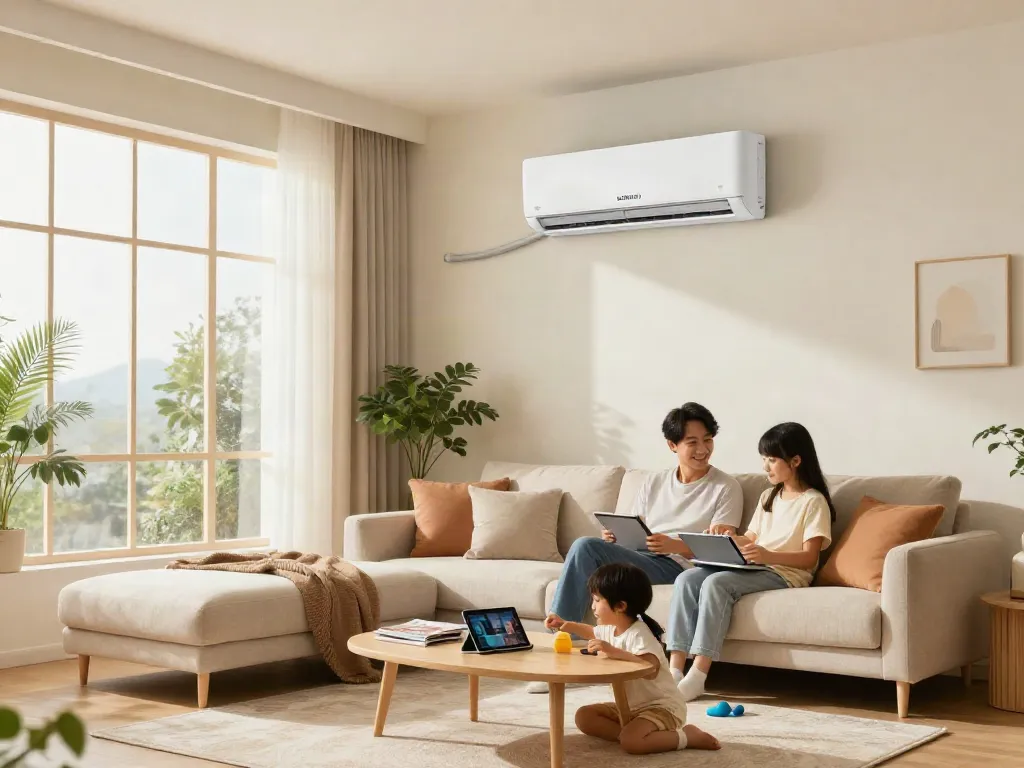
Understanding the 24000 BTU Mini Split Air Conditioner
The 24000 BTU mini split air conditioner is a powerful cooling solution that has gained popularity among homeowners and businesses looking to efficiently manage their indoor climate. With its capacity to effectively cool large spaces up to 1500 square feet, this type of air conditioner exemplifies versatility and efficiency, making it a smart choice for both residential and commercial applications. When exploring options, 24000 btu mini split air conditioner can provide comprehensive insights into the features and benefits of these systems.
What is a Mini Split Air Conditioner?
A mini split air conditioner consists of two main components: an outdoor compressor unit and one or more indoor air-handling units. The system operates without ductwork, making it an ideal solution for homes that lack the necessary infrastructure. This ductless design not only simplifies installation but also allows for individualized climate control in different rooms or zones of a building.
Benefits of a 24000 BTU Mini Split System
- Energy Efficiency: Mini splits are known for their high energy efficiency ratings, often featuring SEER ratings of 16-20 or greater. This means lower utility bills and a reduced carbon footprint.
- Flexibility: With the ability to cool or heat specific rooms as needed, mini splits offer personalized comfort without wasting energy on unoccupied spaces.
- Quiet Operation: Most models operate at noise levels comparable to a whisper, allowing for a peaceful indoor environment.
- Easy Installation: Installation is relatively straightforward since no ductwork is required and the pipes connecting the units can be run through a small hole in the wall.
Key Features to Look For
When choosing a 24000 BTU mini split air conditioner, consider the following features:
- SEER Rating: Look for a unit with a high Seasonal Energy Efficiency Ratio (SEER) for maximum savings.
- Heating Capability: Many mini splits also offer heating options, making them versatile for year-round use.
- Wi-Fi Connectivity: Some modern models include smart technology that allows for remote temperature control via smartphone apps.
- Multi-Zone Capability: If you need to cool multiple rooms, opt for a system that supports multiple indoor units controlled by a single outdoor unit.
Choosing the Right Mini Split for Your Space
Selecting the right mini split air conditioner involves understanding your specific cooling needs and room size. Accurate assessments will ensure optimal performance and energy savings.
Room Size Considerations
The capacity of a mini split air conditioner is measured in BTUs (British Thermal Units). The ideal BTU rating for your space depends on several factors, including room size, insulation quality, and climate. For instance, a 24000 BTU unit is suitable for spaces approximately 1000 to 1500 square feet, making it appropriate for large living areas, open-plan layouts, or commercial spaces.
Energy Efficiency Ratings Explained
Energy Efficiency Ratio (EER) and Seasonal Energy Efficiency Ratio (SEER) are two vital metrics to evaluate when purchasing a mini split system. EER measures efficiency under specific conditions, while SEER accounts for seasonal variations, offering a more comprehensive efficiency profile. Aim for a model with a SEER rating of 16 or higher for optimal energy savings.
Installation Requirements and Options
While the installation of mini split systems is generally straightforward, it's crucial to follow local building codes and best practices. Installation typically involves mounting the indoor unit(s), connecting refrigerant lines, and ensuring adequate drainage. Hiring a professional installer can help mitigate common installation challenges and ensure the system operates efficiently.
Common Challenges with Mini Split Systems
Even though mini split systems are generally reliable, there are some challenges users may face. Here are some common issues and tips for addressing them.
Noise Level Concerns
While many mini split units are designed to operate quietly, noise levels can vary by model. If noise is a concern, look for units with lower decibel ratings. Additionally, proper installation can minimize vibrations that contribute to noise.
Maintenance Tips for Longevity
Regular maintenance is essential to prolong the lifespan and efficiency of your mini split system. Here are a few tips to keep your unit running smoothly:
- Clean or replace filters regularly to ensure optimal airflow.
- Schedule annual maintenance checks with a qualified technician.
- Keep the outdoor unit clear of debris and plants to promote airflow.
Addressing Installation Issues
Improper installation can lead to various issues, including refrigerant leaks or inefficient cooling. It’s advised to consult with or hire experienced professionals to install your mini split system to avoid these common pitfalls.
Comparing Leading Brands of 24000 BTU Mini Splits
There are many manufacturers of mini split air conditioners, each offering different features, warranties, and prices. Here’s a comparative look at some leading brands.
Brand A vs. Brand B: Which is Better?
When comparing brands, consider factors like energy efficiency, warranty offers, and customer support. For instance, Brand A might offer a higher SEER rating but Brand B may include longer warranty coverage. Evaluating these aspects can help you make an informed choice.
Customer Reviews and Ratings
Customer feedback is invaluable when assessing the reliability and performance of mini split systems. Look for models with a high number of positive reviews and consider context—such as the specific application and environment in which the unit is used.
Price Range and Value Proposition
The price of a 24000 BTU mini split air conditioner can vary significantly based on features and brand reputation. While it may be tempting to go for the cheapest option, consider long-term savings through energy efficiency and warranty protection as part of the overall value.
Future Trends in Mini Split Technology by 2026
As technology evolves, so do mini split air conditioning systems. The next few years promise significant advancements.
Smart Technology Integration
Many upcoming models are expected to feature enhanced smart technology, allowing homeowners to control their systems from anywhere using mobile applications. This could include features such as learning algorithms that adjust temperature settings based on user behavior.
Advancements in Energy Efficiency
Energy savings will remain a focal point, with ongoing research into materials and refrigerants that improve efficiency even further. Expect to see systems with SEER ratings beyond 20 becoming more common in the market.
Sustainability Trends in Air Conditioning
As global awareness about climate change increases, manufacturers are likely to focus on sustainability. This may include using eco-friendly refrigerants and materials, ensuring that the production process has a minimal environmental footprint.
FAQs about 24000 BTU Mini Split Air Conditioners
How do I maintain a mini split air conditioner?
Regular maintenance includes cleaning or replacing filters, checking refrigerant levels, and scheduling annual professional service to ensure optimal performance.
What is the average installation cost?
Installation costs can vary depending on your location, complexity of installation, and additional features. On average, expect to pay between $1,500 and $3,000.
Can a mini split be used for heating?
Yes, many mini split systems come with reverse cycle capability, allowing them to provide heating in addition to cooling.
What are the energy savings of using a mini split?
Mini split systems are generally more energy-efficient than traditional HVAC systems, providing substantial savings on energy bills, especially for homes with unoccupied rooms.
Where can I buy spare parts for my mini split?
Spare parts can typically be purchased through the manufacturer’s website or authorized retailers. It's important to ensure compatibility with your specific model when ordering parts.